
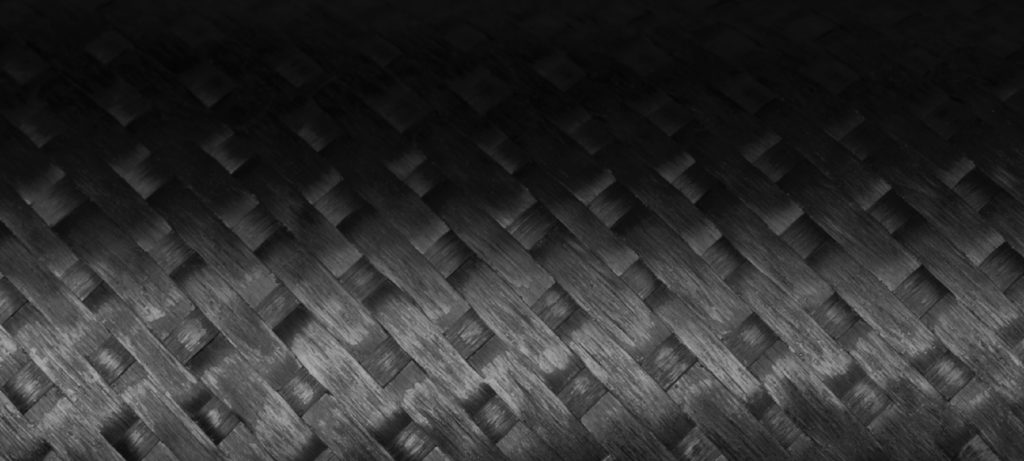
Filament wound pipes offer superior durability compared to traditional metal alternatives in many industrial applications. These composite pipes, constructed from carbon or glass fibers embedded in resin through a precision winding process, demonstrate exceptional resistance to corrosion, chemicals, and environmental stress. While metal pipes like steel and aluminum have been industry standards for decades, filament wound composite pipes typically outlast them by 2-4 times in challenging environments. Their lightweight yet robust construction provides excellent strength-to-weight ratios, allowing them to withstand high pressures and temperature variations with minimal maintenance requirements, making them increasingly preferred alternatives in demanding industrial settings.
Understanding filament wound pipes and their industrial applications
Filament wound pipes are manufactured through a specialized process where continuous strands of reinforcement fibers (typically glass or carbon) are precisely wound around a rotating mandrel while being impregnated with resin. This filament winding technique creates pipes with exceptional structural integrity by placing fibers in optimal orientations to handle specific loads.
The manufacturing process begins with the selection of appropriate fibers and resin systems based on the intended application. Glass fibers offer good strength at economical prices, while carbon fibers provide superior strength and stiffness at lower weight. The fibers are fed through a resin bath and wound onto the mandrel in precisely controlled patterns, creating layers with specific orientations that determine the pipe’s performance characteristics.
These composite pipes find applications across numerous industries, including:
- Chemical processing plants where corrosion resistance is paramount
- Oil and gas transportation systems requiring durability in harsh environments
- Water treatment facilities needing chemical resistance
- Marine applications exposed to constant saltwater contact
- Industrial cooling systems handling various fluids
- Structural components in construction where weight reduction is valuable
The versatility of filament wound pipes stems from the ability to tailor their properties by adjusting fiber types, resin systems, and winding patterns to meet specific performance requirements in each application.
How do filament wound pipes resist corrosion compared to metal pipes?
Filament wound pipes offer exceptional corrosion resistance that significantly outperforms metal alternatives across nearly all industrial environments. Unlike metal pipes that rely on protective coatings or alloy compositions that can degrade over time, composite pipes are inherently corrosion-resistant throughout their entire structure.
Metal pipes face several corrosion challenges:
- Steel pipes rust when exposed to moisture and oxygen
- Aluminum corrodes in acidic or alkaline environments
- Copper pipes deteriorate when exposed to certain water conditions
- Metal pipes often require protective linings that can fail
In contrast, filament wound pipes made with glass or carbon fibers embedded in polymer resins are chemically inert to most industrial fluids. The resin matrix creates a complete barrier against corrosive substances, preventing the degradation that plagues metal pipes. Even in highly aggressive environments containing acids, bases, saltwater, or chemical solvents, composite pipes maintain their structural integrity without material loss.
This superior corrosion resistance eliminates the need for cathodic protection systems, special coatings, or regular reapplication of protective treatments required by metal piping systems, translating to lower maintenance requirements and extended service life.
What is the lifespan difference between composite and metal piping systems?
Properly installed filament wound pipes typically offer a service life that is 2-4 times longer than their metal counterparts in comparable applications. While metal pipes might last 15-25 years in moderate conditions, composite pipes routinely provide 50+ years of service even in demanding environments.
Several factors contribute to this lifespan advantage:
- Absence of corrosion-related degradation that progressively weakens metal pipes
- Superior fatigue resistance that prevents failure under cyclic loading
- Resistance to microbiologically influenced corrosion that affects metal systems
- Immunity to galvanic corrosion that occurs between dissimilar metals
- Greater resilience against water hammer and pressure surges
The lifespan of piping systems is also influenced by operating conditions. In high-temperature applications, specialized resin systems can be selected to maintain composite pipe performance, though extremely high temperatures may favor certain metal alloys. Similarly, in applications with abrasive media, composite pipes can be engineered with wear-resistant liners that extend their service life beyond what metals can provide.
This extended lifespan not only reduces replacement frequency but also minimizes costly system downtime and production interruptions that accompany pipe failures.
Are filament wound pipes more cost-effective than metal alternatives?
While filament wound pipes typically have a higher initial purchase price than standard metal pipes, their total ownership cost is generally 20-40% lower over the system’s lifetime. This cost advantage stems from several factors that impact the long-term economics of piping systems.
The cost equation includes:
- Installation savings: Composite pipes weigh 70-80% less than steel equivalents, reducing transportation costs and eliminating heavy lifting equipment during installation
- Maintenance reduction: The absence of corrosion eliminates the need for periodic inspections, recoating, and cathodic protection systems required by metal pipes
- Extended replacement intervals: Longer service life means fewer system replacements over a facility’s lifetime
- Operational efficiency: Smoother interior surfaces reduce pumping energy requirements
- Downtime avoidance: Greater reliability means fewer unexpected failures and production interruptions
For applications requiring special corrosion-resistant metal alloys (like stainless steel or titanium), composite pipes are often less expensive even at initial purchase. Additionally, as raw material prices for metals fluctuate with market conditions, composite pricing tends to remain more stable, making project budgeting more predictable.
The economic advantage of composite pipes becomes especially pronounced in corrosive environments where standard metals would rapidly deteriorate, requiring frequent replacement or extensive protective measures.
Can composite pipes withstand extreme temperatures and pressure?
Filament wound pipes demonstrate excellent performance capabilities under various temperature and pressure conditions, though with different operating parameters than metal alternatives. Standard composite pipes typically operate effectively between -40°C and 110°C, with specialized formulations extending this range further.
Regarding pressure capacity, filament wound pipes excel due to their high strength-to-weight ratio. The controlled fiber placement during manufacturing allows engineers to optimize the pipe structure specifically for the anticipated pressure loads. This results in pipes that can handle operating pressures comparable to or exceeding those of much heavier metal pipes.
Key performance characteristics include:
- High burst pressure resistance achieved through circumferential fiber winding
- Excellent fatigue resistance under cyclic pressure loading
- Minimal thermal expansion compared to many metals, reducing stress on connections
- Superior vibration damping that reduces system noise and fatigue
- Better insulating properties that reduce heat loss and condensation issues
While specialized metal alloys may outperform composites in extreme high-temperature applications (above 200°C), composite pipes maintain their structural integrity and pressure ratings more consistently across their operating temperature range compared to metals, which can weaken significantly at elevated temperatures.
Key takeaways: Choosing between filament wound and metal pipes for industrial applications
When selecting between filament wound and metal pipes for industrial applications, several decision factors should guide your choice, with each material offering distinct advantages in specific scenarios.
Filament wound pipes excel in:
- Corrosive environments where chemical resistance is critical
- Weight-sensitive applications where installation costs matter
- Systems requiring minimal maintenance and long service life
- Applications where thermal or electrical insulation is beneficial
- Projects where total lifecycle cost outweighs initial investment
Metal pipes may be preferred in:
- Extremely high-temperature applications (above 200°C)
- Situations requiring fire resistance without additional protection
- Applications with extremely high impact or abrasion exposure
- Projects with very limited initial budgets despite higher lifecycle costs
When evaluating durability requirements, consider not just the operating conditions but the entire range of stresses the piping system will face, including chemical exposure, pressure cycling, temperature fluctuations, and external forces. For most industrial applications dealing with corrosive media or requiring long-term reliability, filament wound composite pipes offer the superior durability solution despite the higher initial investment.
By carefully assessing your specific needs against these performance criteria, you can select the piping material that delivers the optimal balance of performance, durability, and cost-effectiveness for your industrial application.