
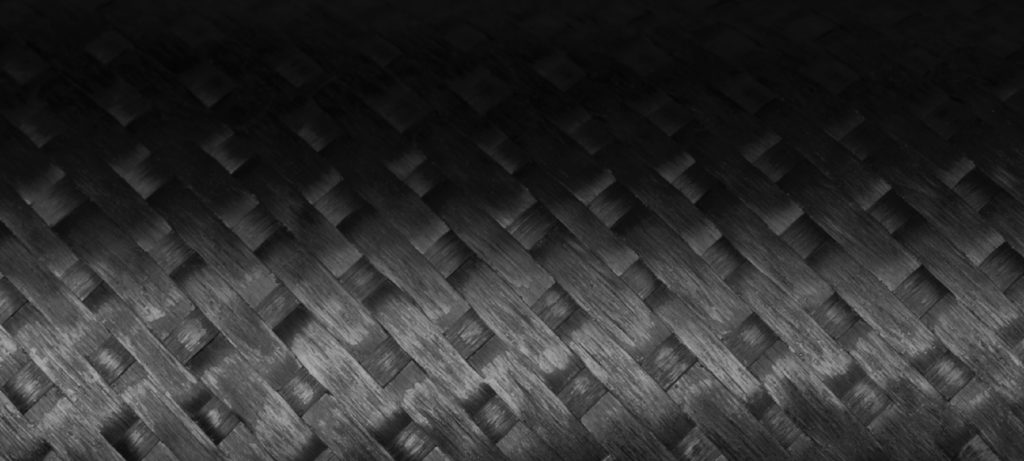
Carbon fiber and fiberglass are both advanced composite materials used extensively in industrial applications, but they differ significantly in their properties and performance characteristics. Carbon fiber composites offer superior strength-to-weight ratio, higher stiffness, and exceptional fatigue resistance, making them ideal for high-performance applications where weight reduction is critical. Fiberglass, on the other hand, provides good mechanical properties at a lower cost, with better electrical insulation and corrosion resistance. The choice between these materials depends on specific application requirements, budget constraints, and environmental conditions they will face during their service life.
Understanding composite materials: Carbon fiber and fiberglass fundamentals
Composite materials combine two or more distinct elements to create a product with enhanced properties that exceed those of the individual components. Both carbon fiber and fiberglass are polymer matrix composites (PMCs) that consist of reinforcing fibers embedded in a resin matrix.
Fiberglass composites utilize glass fibers, typically E-glass (for general applications) or S-glass (for higher strength requirements). These fibers are made by melting glass and drawing it into extremely fine strands that are woven into fabrics or used as continuous filaments. The glass fibers provide strength while the resin matrix (usually polyester, vinylester, or epoxy) holds them together and transfers loads between fibers.
Carbon fiber composites employ carbon filaments derived from precursors like polyacrylonitrile (PAN). These filaments undergo a complex manufacturing process involving oxidation, carbonization, and graphitization at high temperatures. The resulting carbon fibers are extraordinarily strong and lightweight, with different grades available ranging from standard to ultra-high modulus for specialized applications.
Both materials can be manufactured using filament winding technology, a highly efficient process for creating tubular or cylindrical structures. This technique precisely places fibers at controlled angles to optimize strength in specific directions, making it ideal for producing pipes, driveshafts, pressure vessels, and sporting equipment like baseball bats and ski poles.
What are the key structural differences between carbon fiber and fiberglass?
The fundamental structural differences between carbon fiber and fiberglass derive from their atomic and molecular composition, which directly influences their performance characteristics.
Carbon fiber consists of thin strands of carbon atoms bonded together in microscopic crystals aligned parallel to the fiber’s long axis. This crystalline alignment gives carbon fiber its remarkable stiffness and strength. Each carbon filament is about 5-10 micrometers in diameter and contains approximately 90-95% carbon content. When combined with resin, these fibers create a material with exceptional directional strength properties.
Fiberglass, by contrast, is composed of fine glass filaments with diameters typically ranging from 5-25 micrometers. These filaments lack the crystalline structure of carbon fiber, resulting in more isotropic (uniform in all directions) properties. Fiberglass has a lower modulus of elasticity, meaning it flexes more under load compared to the relatively rigid carbon fiber.
In terms of resin compatibility, both materials work well with various polymer matrices, but carbon fiber often requires more specialized, higher-performance resins to fully capitalize on its mechanical properties. The fiber-resin interface is critical in both materials, as it determines how effectively forces transfer between components and ultimately influences the composite’s overall performance.
How do carbon fiber and fiberglass compare in strength-to-weight ratio?
The strength-to-weight ratio (specific strength) is one of the most significant differentiators between carbon fiber and fiberglass composites, directly affecting their suitability for weight-critical applications.
Carbon fiber delivers an exceptional strength-to-weight ratio that significantly outperforms fiberglass. While exact values vary based on specific formulations, carbon fiber composites typically offer 2-3 times the specific strength of fiberglass. This remarkable efficiency stems from carbon fiber’s inherent molecular structure, which provides outstanding strength at extremely low weight.
For context, carbon fiber composites can match or exceed the strength of steel while weighing approximately 70% less. This makes carbon fiber the material of choice for high-performance applications where every gram matters, such as aerospace components, racing vehicles, and premium sporting equipment.
Fiberglass, while not as strong as carbon fiber on a weight-normalized basis, still offers respectable specific strength that exceeds many traditional materials. Its specific strength is roughly comparable to aluminum, making it a viable alternative to metals in many moderate-performance applications where absolute minimum weight isn’t critical.
This difference in strength-to-weight ratio explains why carbon fiber is preferred for elite performance applications, while fiberglass often serves as the practical choice for more cost-sensitive projects requiring good but not exceptional mechanical properties.
What are the cost implications of choosing carbon fiber versus fiberglass?
Cost is often the decisive factor when choosing between carbon fiber and fiberglass composites. Understanding the full cost implications requires considering both immediate material expenses and long-term value factors.
Fiberglass is substantially more economical, with raw materials typically costing 5-10 times less than carbon fiber. This significant price difference makes fiberglass the default choice for many commercial and industrial applications where budget constraints are primary considerations.
Carbon fiber’s higher cost stems from its complex manufacturing process, which requires specialized equipment, precise temperature control, and energy-intensive operations. Additionally, the precursor materials used to create carbon fiber are more expensive than the raw materials for glass fiber production.
Beyond raw material costs, several other factors influence the total economic equation:
- Processing complexity: Carbon fiber often requires more specialized handling and processing expertise
- Production scale: Fiberglass benefits from greater economies of scale due to its widespread use
- Tooling considerations: Both materials can use similar tooling, but carbon fiber may require more precise molds
- Lifecycle advantages: Carbon fiber’s durability and lighter weight can offset initial costs through fuel savings or extended service life in some applications
For projects with sufficient performance requirements to justify carbon fiber’s premium, the long-term benefits often outweigh the initial investment. However, for many applications, fiberglass provides the optimal balance of performance and cost-effectiveness.
How do environmental factors affect carbon fiber and fiberglass performance?
Environmental conditions significantly impact the long-term performance of composite materials, with carbon fiber and fiberglass each responding differently to various external stressors.
Moisture exposure represents a key difference between these materials. Fiberglass is more susceptible to water absorption, which can lead to degradation of mechanical properties over time. This hygroscopic nature means fiberglass composites may experience up to 1-2% weight gain in humid conditions, potentially affecting dimensional stability and reducing strength. Carbon fiber, by contrast, absorbs minimal moisture (typically less than 0.1%) and maintains its mechanical properties better in wet environments.
UV radiation affects both materials, but primarily damages the resin matrix rather than the fibers themselves. Without proper protection, extended sun exposure can cause surface degradation, color changes, and eventual mechanical property loss. This effect is generally more pronounced in fiberglass composites unless specialized UV-resistant resins are employed.
Temperature extremes impact both materials differently. Carbon fiber maintains its properties better at elevated temperatures, with some formulations capable of withstanding temperatures up to 177°C (350°F) without significant degradation. Fiberglass typically has lower temperature resistance, though still adequate for most industrial applications.
Chemical resistance varies based on the specific resin system rather than the fiber type. However, fiberglass generally offers excellent resistance to a wide range of chemicals and is particularly valued in corrosive environments where metals would quickly deteriorate. Carbon fiber shares good chemical resistance but is primarily selected for its mechanical properties rather than chemical durability.
Key takeaways: Choosing between carbon fiber and fiberglass for your application
Selecting the optimal composite material requires careful evaluation of your specific application requirements, balancing performance needs against practical considerations.
Choose carbon fiber when:
- Maximum strength with minimal weight is the primary concern
- Superior stiffness and rigidity are essential
- The application justifies higher material costs
- Fatigue resistance under dynamic loading is critical
- Thermal stability at higher temperatures is needed
Choose fiberglass when:
- Cost-effectiveness is a priority
- Good mechanical properties are sufficient
- Electrical insulation properties are required
- Chemical and corrosion resistance are key factors
- The application benefits from some flexibility
For many industrial applications, the optimal solution may involve hybrid approaches or strategic use of both materials. For example, using carbon fiber selectively in high-stress areas while employing fiberglass in less critical sections can provide an excellent balance of performance and economy.
When evaluating these materials for specific uses like pipes, driveshafts, or sporting equipment, consider the entire lifecycle of the product, including installation, maintenance requirements, and expected service conditions. The filament winding manufacturing process is particularly well-suited for both materials when creating tubular or cylindrical components, offering exceptional control over fiber orientation to match specific loading conditions.
Ultimately, the right choice depends on finding the sweet spot where material properties align perfectly with application requirements, budget constraints, and performance expectations.