
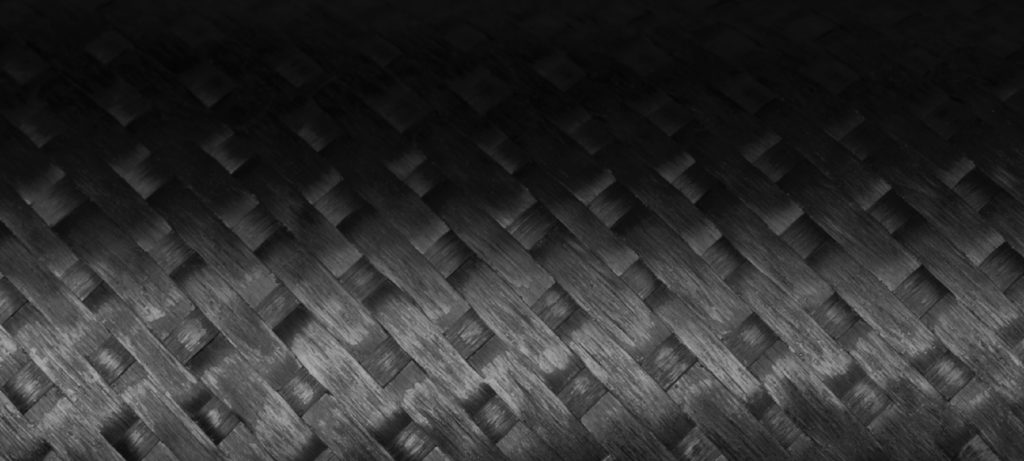
Filament wound components offer exceptional strength advantages due to their unique manufacturing process that precisely controls fiber orientation. These components derive their superior strength from continuous fibers strategically wound around a mandrel in predetermined patterns. The result is a composite structure with outstanding tensile strength, compressive resistance, and excellent fatigue properties. Filament wound components can be customized for specific load requirements by altering winding angles and fiber types, creating lightweight solutions that often outperform traditional materials while offering exceptional durability and resistance to environmental factors.
Understanding filament wound components: The foundation of modern composites
Filament winding is a precision manufacturing process where continuous fibers, typically carbon or glass, are impregnated with resin and wound onto a rotating mandrel in carefully controlled patterns. This technique creates a composite structure where fibers can be strategically positioned to optimize strength in specific directions.
The basic principle involves feeding resin-coated fibers through a delivery system that precisely places them onto the rotating mandrel. By controlling the winding angle, tension, and fiber placement, manufacturers can create components with tailored mechanical properties. This process allows for exceptional consistency and repeatability in production.
What makes filament winding particularly powerful is how it transforms individual fibers into a unified structure. The continuous nature of the fibers means there are no weak points created by fiber ends, resulting in seamless load distribution throughout the component. This uninterrupted fiber layout creates a foundation for components that can withstand extreme mechanical stresses while maintaining minimal weight.
The ability to adjust winding angles from nearly parallel to the mandrel axis (providing axial strength) to nearly perpendicular (providing hoop strength) gives designers remarkable flexibility to engineer components for specific load requirements. This adaptability makes filament wound structures ideal for a wide range of high-performance applications.
What makes filament wound components stronger than traditional materials?
Filament wound components achieve superior strength through several key mechanical advantages that set them apart from traditional materials. The primary advantage comes from directional reinforcement, where fibers can be oriented precisely along load paths, unlike metals which offer uniform properties in all directions.
The controlled fiber orientation allows engineers to place material exactly where it’s needed for maximum structural efficiency. This targeted reinforcement means less material is required to achieve the same strength as traditional options, resulting in significantly lighter components without sacrificing performance.
Another critical factor is the high fiber volume fraction achievable through filament winding. This process can incorporate up to 70% fiber by volume, creating extraordinarily dense reinforcement networks. The higher the fiber content, the greater the strength-to-weight ratio of the finished component.
The synergistic relationship between fibers and matrix materials also contributes to exceptional strength. While the fibers provide tensile strength and stiffness, the resin matrix distributes loads between fibers, protects them from damage, and maintains the component’s shape. This combination creates a material system that’s greater than the sum of its parts.
Additionally, filament wound components typically exhibit superior fatigue resistance compared to metals. The continuous fiber structure effectively interrupts crack propagation, allowing these components to withstand repeated loading cycles without failure.
How does the fiber orientation in filament winding enhance structural integrity?
The precise fiber placement during filament winding creates optimal load paths that directly enhance structural integrity. By controlling the winding angle, manufacturers can create components specifically designed to resist the exact forces they’ll encounter in service.
For applications requiring exceptional tensile strength, such as pressure vessels, fibers can be wound at low angles (close to 0°) relative to the mandrel axis. This orientation maximizes the fibers’ ability to resist axial loads. Conversely, when hoop strength is needed, such as in pipes containing internal pressure, higher winding angles (approaching 90°) distribute fibers circumferentially around the component.
Cross-pattern winding, where layers are applied at alternating angles, creates a balanced structure capable of handling complex, multi-directional loads. This technique produces a quasi-isotropic material that maintains the weight advantages of composites while addressing their naturally anisotropic properties.
The continuous nature of filament winding also eliminates weak points typically found in other manufacturing methods. Unlike layered composites that might delaminate under stress, filament wound structures distribute forces along the entire length of each fiber, resulting in exceptional structural cohesion.
This orientation control also allows for optimized torsional strength in components like drive shafts, where fibers can be precisely angled to resist twisting forces while maintaining axial stiffness. The result is a component that can transmit more power at higher rotational speeds than traditional materials, all while weighing significantly less.
What industries benefit most from the strength of filament wound components?
The exceptional strength-to-weight ratio of filament wound components makes them invaluable across numerous industries, with aerospace leading the adoption of this technology. In aviation, weight reduction directly translates to fuel efficiency, making filament wound pressure vessels, fuel tanks, and structural components increasingly common in modern aircraft.
The automotive sector leverages these components for drive shafts, where the combination of torsional strength and low weight improves performance while reducing rotational mass. Racing applications particularly benefit from these advantages, with filament wound components contributing to faster acceleration and improved handling.
In the energy sector, filament wound pipes and pressure vessels offer exceptional corrosion resistance alongside their structural benefits. Oil and gas operations utilize these components for both onshore and offshore applications where traditional materials would quickly degrade or require excessive weight.
Sporting goods manufacturers have embraced filament winding for products where performance is paramount. Golf shafts, baseball bats, and ski poles benefit from the precise stiffness control and vibration damping properties that can be engineered through specific winding patterns.
Industrial applications include high-pressure tanks, chemical processing equipment, and infrastructure components where corrosion resistance combines with strength requirements. The ability to create seamless, leak-proof structures with minimal joining points makes filament wound components ideal for containing pressurized or hazardous materials.
How does the strength-to-weight ratio of filament wound composites compare to metals?
Filament wound composites dramatically outperform traditional metals in strength-to-weight ratio, offering up to five times the specific strength of steel. This exceptional efficiency means that a properly designed filament wound component can provide the same structural performance as a metal alternative at a fraction of the weight.
When comparing specific stiffness (modulus-to-density ratio), carbon fiber filament wound composites can exceed steel by a factor of three and aluminum by nearly 40%. This translates to components that flex less under load despite weighing significantly less than their metal counterparts.
Beyond raw mechanical advantages, filament wound composites offer superior fatigue resistance. While metals typically show progressive deterioration under cyclic loading, properly designed composite structures can withstand millions of load cycles with minimal degradation. This fatigue resistance makes them ideal for applications with repetitive stress patterns.
Corrosion resistance represents another significant advantage over metals. Where steel requires protective coatings and regular maintenance, and even aluminum will eventually oxidize, filament wound composites remain structurally intact in harsh environments. This translates to longer service life and reduced maintenance costs.
The ability to tailor properties through fiber selection and orientation gives filament wound composites versatility that metals simply cannot match. This customization allows engineers to optimize components for specific loading conditions rather than accepting the uniform properties inherent to metallic materials.
Key takeaways: Why filament wound components are the future of high-performance materials
Filament wound components represent a significant advancement in materials engineering, offering unprecedented customization of mechanical properties through precise fiber placement. This ability to engineer strength exactly where needed creates possibilities that traditional manufacturing methods simply cannot match.
The exceptional strength-to-weight ratio of these components directly translates to improved performance across applications. Whether enabling more fuel-efficient transportation, more powerful energy systems, or higher-performing sporting equipment, filament winding technology delivers tangible advantages in the real world.
Environmental considerations also favor filament wound components. Their lightweight nature contributes to reduced energy consumption during operation, while their durability leads to longer service lives and less frequent replacement. As sustainability becomes increasingly important, these characteristics become compelling advantages.
The manufacturing flexibility of filament winding allows for cost-effective production of both standard and customized components. From high-volume industrial applications to specialized performance products, this versatility positions filament wound components as an adaptable solution for diverse engineering challenges.
As design tools and manufacturing technologies continue to advance, we can expect even greater optimization of filament wound structures. This ongoing evolution ensures that these components will remain at the forefront of high-performance materials, continually expanding the boundaries of what’s possible in engineering design.